Storage Unit Size for 3 Bedroom House: Complete Guide
A 3 bedroom house needs a 10x20 to 10x30 storage unit (200-300 sq ft). Get exact sizing, costs, and what fits in each unit size for your move.
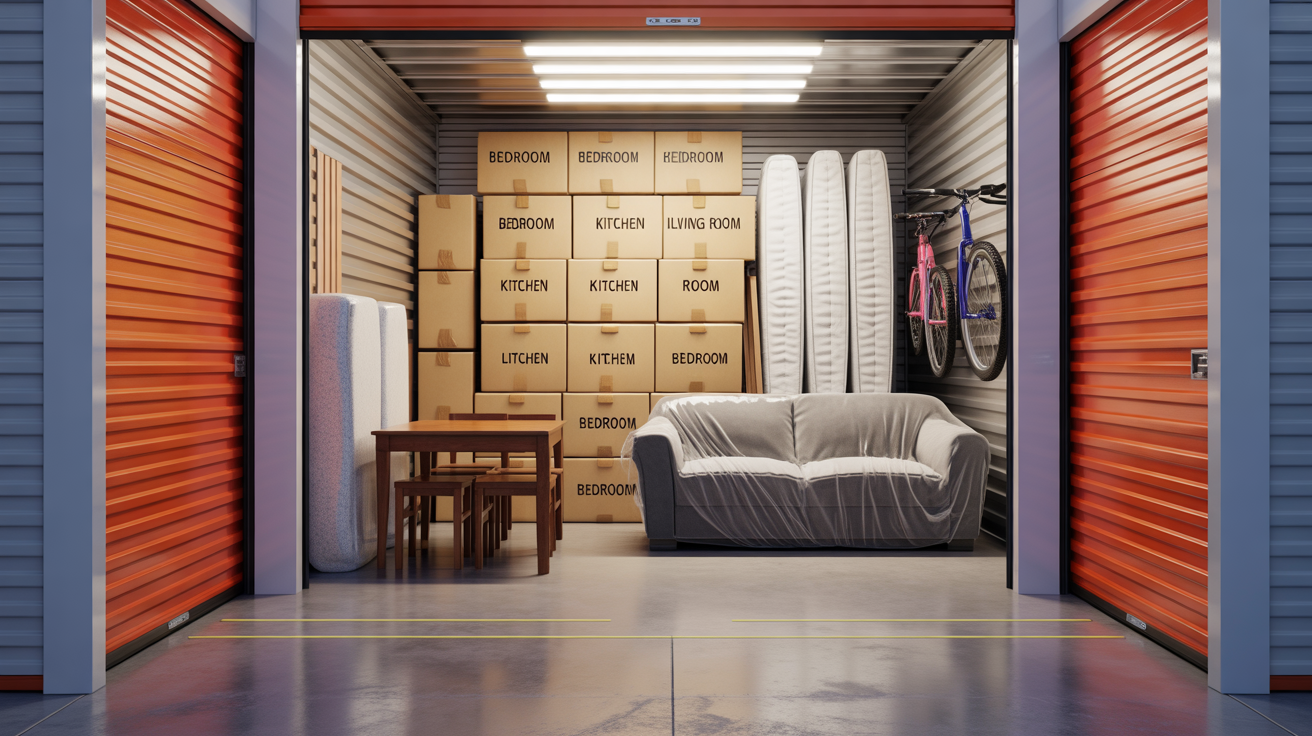
A 3 bedroom house requires a 10x20 to 10x30 storage unit, providing 200 to 300 square feet of space. The 10x20 unit works for most 3 bedroom homes with standard furniture, while the 10x30 accommodates larger households with extra belongings, outdoor equipment, or bulky furniture pieces.
- 10x20 units (200 sq ft) fit most 3 bedroom homes and cost $150-250/month
- 10x30 units (300 sq ft) accommodate larger homes with extra furniture at $200-350/month
- Climate-controlled storage adds 20-30% to monthly costs but protects sensitive items
- A typical 3 bedroom house generates 50-75 moving boxes plus major furniture pieces
- Measure your largest items first: sofas, mattresses, and appliances determine minimum unit width
Quick Storage Unit Size Reference for 3 Bedroom Homes
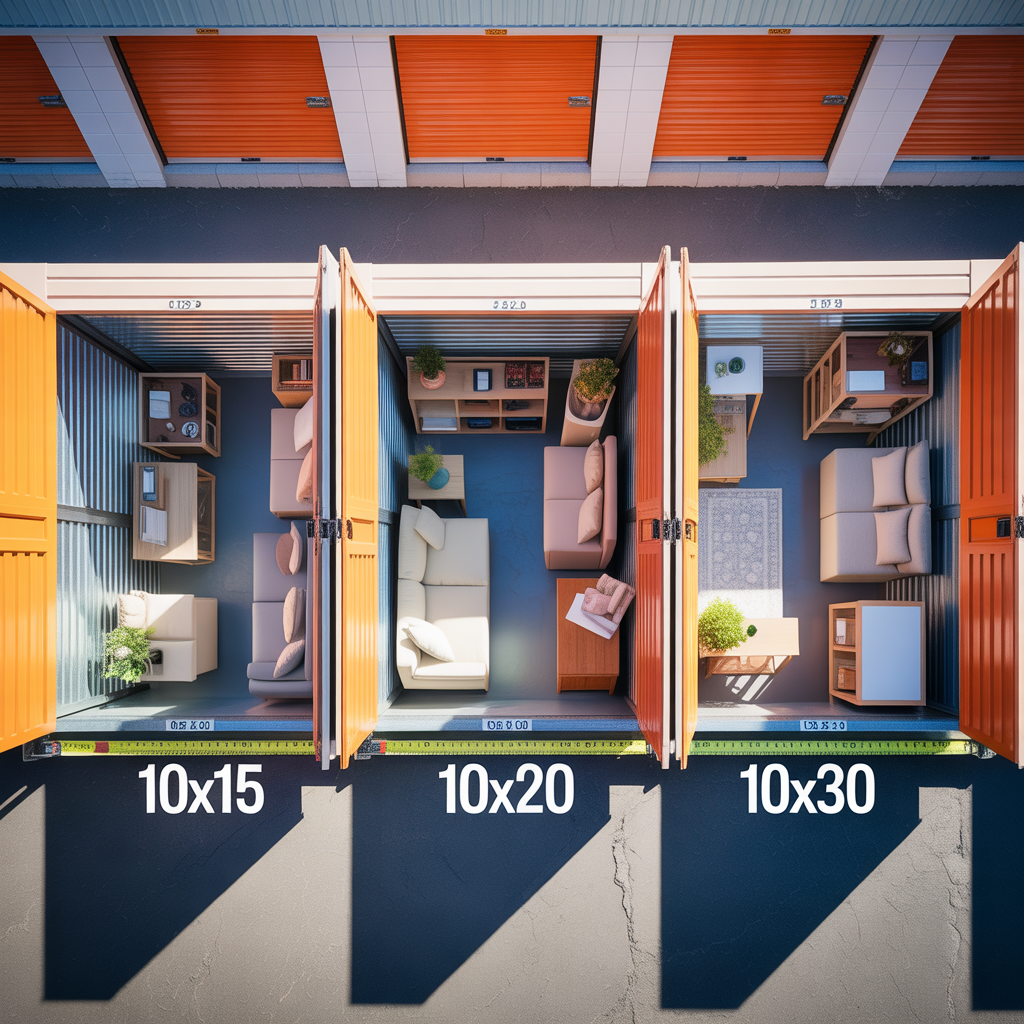
Before diving into details, here is a straightforward comparison of the three most common unit sizes for storing a 3 bedroom house. This table shows what fits, typical costs, and ideal use cases for each option.
| Unit Size | Square Feet | Monthly Cost | Best For |
|---|---|---|---|
| 10x20 | 200 sq ft | $150-250 | Standard 3BR with typical furniture |
| 10x25 | 250 sq ft | $180-290 | 3BR with home office or extra room |
| 10x30 | 300 sq ft | $200-350 | Large 3BR with garage items or vehicles |
Most families storing a complete 3 bedroom home choose the 10x20 unit. It provides enough space for all major furniture, appliances, and 50-75 boxes while remaining cost-effective for both short and long-term storage needs.
10x20 Storage Unit: The Standard Choice for 3 Bedroom Homes
The 10x20 storage unit measures 10 feet wide by 20 feet deep, totaling 200 square feet of floor space. With standard 8-foot ceilings, this provides 1,600 cubic feet of storage volume. This size accommodates the contents of most 3 bedroom houses without requiring you to leave items behind.
What Fits in a 10x20 Unit
A properly packed 10x20 unit holds the following items from a typical 3 bedroom home:
- Living room: Sofa, loveseat, coffee table, end tables, entertainment center, TV stand
- Bedrooms: 2-3 queen or king mattress sets, dressers, nightstands, bed frames
- Dining room: Table with 6 chairs, china cabinet or buffet
- Kitchen: Refrigerator, washer, dryer, small appliances in boxes
- Boxes: 50-75 medium moving boxes (18x18x16 inches)
- Miscellaneous: Lamps, artwork, rugs, outdoor patio furniture
The 10-foot width is critical because it allows you to store a standard sofa (typically 7-8 feet long) against the back wall while maintaining a center aisle for access. This configuration maximizes vertical space by stacking boxes on top of furniture.
10x20 Unit Cost Breakdown
Standard 10x20 units cost $150-250 per month depending on location and facility features. Climate-controlled 10x20 units range from $180-300 per month, representing a 20-30% premium over standard units. In Montrose, Colorado, our storage unit size guide provides current pricing for all available sizes.
Urban areas typically charge more than secondary markets. A 10x20 unit in Denver might cost $275 per month, while the same size in Montrose averages $164 per month for drive-up access with easy ground-level loading.
10x25 Storage Unit: Extra Space for Larger Households
The 10x25 unit adds 50 square feet over the standard 10x20, providing 250 square feet total. This extra 5 feet of depth makes a significant difference for households with home offices, hobby equipment, or collections that require additional space.
When to Choose a 10x25 Over a 10x20
Consider the larger 10x25 unit if your 3 bedroom house includes any of these scenarios:
- Home office furniture: Desk, office chair, filing cabinets, bookshelves
- Exercise equipment: Treadmill, weight bench, elliptical machine
- Hobby collections: Musical instruments, sports equipment, craft supplies
- Seasonal items: Holiday decorations, camping gear, ski equipment
- Children's furniture: Bunk beds, toy chests, play equipment
The additional depth allows you to create a more organized storage layout. You can dedicate the back 5 feet to items you will not need frequent access to, while keeping regularly needed items near the front of the unit.
10x25 Unit Pricing
Expect to pay $180-290 per month for a standard 10x25 unit. Climate-controlled versions cost $220-350 per month. The price increase from a 10x20 to 10x25 typically ranges from $30-60 per month, making it a cost-effective upgrade when you need the extra space.
10x30 Storage Unit: Maximum Space for Large 3 Bedroom Homes
The 10x30 unit provides 300 square feet of floor space and 2,400 cubic feet of total volume. This size comfortably holds the contents of a 3-5 bedroom home, making it ideal for larger 3 bedroom houses with attached garages, workshops, or extensive outdoor equipment.
What Fits in a 10x30 Unit
Beyond everything that fits in a 10x20, the 10x30 accommodates:
- Vehicles: Compact car, motorcycle, ATV, or small boat
- Garage contents: Lawn mower, snow blower, workbench, tool chests
- Large furniture: Piano, pool table, sectional sofas
- Business inventory: Seasonal merchandise, equipment, supplies
- Additional boxes: Up to 150 medium boxes with room to spare
The extra 100 square feet provides breathing room for organization. You can create distinct zones within the unit: furniture in one section, boxes in another, and frequently accessed items near the door.
10x30 Unit Cost Analysis
Standard 10x30 units range from $200-350 per month, while climate-controlled options cost $280-450 per month. The higher cost is justified when you need to store a vehicle alongside household contents or require easy access to items without navigating a tightly packed space.
Room-by-Room Storage Space Calculator
Calculating your exact storage needs requires measuring what you plan to store from each room. Use this room-by-room breakdown to estimate your total square footage requirements.
Living Room (40-60 square feet)
Standard living room furniture occupies 40-60 square feet of storage space when properly arranged. A 3-seat sofa takes approximately 21 square feet (7 ft x 3 ft), while a loveseat needs 12 square feet. Entertainment centers, coffee tables, and end tables add another 15-25 square feet.
Master Bedroom (35-50 square feet)
A king-size bed with mattress and box spring requires 42 square feet when stored flat or 14 square feet when stored on its side. Dressers, nightstands, and a wardrobe add 20-35 square feet depending on size and quantity.
Secondary Bedrooms (25-40 square feet each)
Each additional bedroom typically needs 25-40 square feet for bed, dresser, and nightstand. Children's rooms with bunk beds may require slightly more due to the bed frame dimensions.
Dining Room (30-45 square feet)
A dining table with 6 chairs occupies 30-45 square feet. Disassembling the table and stacking chairs reduces this footprint by approximately 40%. China cabinets and buffets add 10-20 square feet.
Kitchen Items (15-25 square feet)
Major appliances dominate kitchen storage needs. A refrigerator requires 15 square feet, while washer and dryer pairs need 12 square feet together. Small appliances and kitchenware typically fill 10-15 medium boxes.
Garage and Outdoor Items (30-100 square feet)
This category varies most between households. Basic lawn equipment needs 30 square feet, while workshops, sporting goods, and outdoor furniture can require 100 square feet or more.
Factors That Affect Your Storage Unit Size
Several variables influence whether you need the smaller or larger end of the recommended range. Consider these factors when making your final decision.
Furniture Size and Style
Modern minimalist furniture typically requires less space than traditional or oversized pieces. A contemporary sectional might measure 8x8 feet, while a traditional L-shaped sectional could span 10x12 feet. Measure your largest furniture pieces before selecting a unit size.
Packing Efficiency
Professional packers can fit 20-30% more items into the same space compared to DIY packing. If you plan to pack yourself, consider choosing one size larger than the minimum recommendation. Disassembling furniture, removing legs from tables, and using uniform box sizes maximizes space utilization.
Access Requirements
If you need regular access to stored items, leave a center aisle through the unit. This walking path reduces usable space by approximately 15-20% but prevents the need to unload everything when retrieving specific items.
Storage Duration
Short-term storage (1-3 months) during a move allows for tighter packing since you will unload everything soon. Long-term storage (6+ months) benefits from a slightly larger unit with better organization and climate control to protect items over time.
Climate-Controlled vs. Standard Storage for 3 Bedroom Contents
Climate-controlled units maintain temperatures between 55-80 degrees Fahrenheit and regulate humidity levels year-round. This protection matters significantly in Colorado, where temperatures can swing from below freezing to above 90 degrees within a single week.
Items Requiring Climate Control
Protect these items with climate-controlled storage units if storing for more than 30 days:
- Electronics: TVs, computers, gaming systems (humidity damages circuits)
- Wood furniture: Antiques, pianos, hardwood pieces (temperature swings cause warping and cracking)
- Leather and upholstery: Sofas, chairs, car seats (extreme temperatures cause cracking and mold)
- Documents and photos: Important papers, photo albums, artwork (humidity causes yellowing and mold)
- Musical instruments: Guitars, violins, pianos (wood and strings are temperature-sensitive)
- Wine and collectibles: Temperature fluctuations damage value and integrity
Items Safe in Standard Storage
These items tolerate temperature variations without damage:
- Metal furniture, tools, and equipment
- Outdoor and patio furniture
- Sporting goods (except wooden items)
- Holiday decorations (plastic and metal)
- Kitchenware and dishes (properly packed)
- Lawn and garden equipment
Cost-Benefit Analysis
Climate control adds $30-100 per month depending on unit size. For a 10x20 unit storing a 3 bedroom house for 6 months, the climate control premium totals $180-600. Compare this against the replacement cost of damaged electronics, furniture, or irreplaceable items to determine if the investment makes sense for your situation.
How to Maximize Space in Your Storage Unit
Proper packing techniques can reduce your required unit size by one tier, saving $30-100 per month. Follow these strategies to maximize every square foot.
Disassemble Everything Possible
Remove legs from tables and bed frames. Take apart sectional sofas into individual pieces. Disassemble bookshelves and desks. Store hardware in labeled bags taped to the corresponding furniture piece. This reduces bulky footprints by 30-50%.
Use Vertical Space
Stack boxes and lightweight items on top of sturdy furniture. Place mattresses and box springs on their sides against walls. Store sofas vertically if ceiling height allows. Most storage units have 8-10 foot ceilings, providing significant vertical capacity.
Pack Strategically
Fill drawers with clothing, linens, or small items before storing dressers. Place boxes inside appliances like washers, dryers, and refrigerators. Use wardrobe boxes for hanging clothes to maximize closet space at home while minimizing storage footprint.
Create an Inventory Map
Sketch a layout before loading the unit. Place items you will need first near the door. Group similar items together. Label all boxes on multiple sides. Take photos of the packed unit for reference when retrieving specific items.
Common Mistakes When Choosing Storage Unit Size
Avoid these frequent errors that lead to wasted money or insufficient space.
Underestimating Box Quantities
A 3 bedroom house typically generates 50-75 medium moving boxes. Many people estimate 20-30 boxes and find themselves short on space. Count your boxes before selecting a unit, or add 25% to your estimate for safety.
Forgetting Garage and Outdoor Items
Lawn equipment, tools, patio furniture, and sporting goods often get overlooked during initial planning. These items can add 30-100 square feet to your requirements. Walk through your garage, shed, and outdoor spaces when calculating needs.
Ignoring Seasonal Items
Holiday decorations, seasonal clothing, and recreational equipment take significant space. A single Christmas tree box measures 4x2x2 feet. Ski equipment, camping gear, and seasonal sports items add up quickly.
Choosing Based on Price Alone
Selecting a unit that is too small to save $30-50 per month creates problems. You may need to rent a second unit, leave items behind, or damage belongings by overpacking. The cost of replacing damaged items far exceeds the monthly savings from a smaller unit.
Drive-Up vs. Interior Storage Units
Beyond size, the unit type affects convenience and accessibility for storing a full house of belongings.
Drive-Up Storage Advantages
Drive-up units allow you to back a moving truck directly to the unit door. This eliminates carrying furniture through hallways and elevators. For a 3 bedroom house move, drive-up access can reduce loading time by 2-4 hours compared to interior units.
Our 10x20 drive-up storage units at Colorado Self Storage provide ground-level access, making them ideal for heavy appliances and bulky furniture. The wide door openings accommodate mattresses, sofas, and large items without maneuvering through tight spaces.
Interior Storage Considerations
Interior units offer better protection from weather and temperature extremes. They typically cost 10-20% more than drive-up units but provide additional security with multiple access points requiring authentication. For long-term storage of valuable items, interior climate-controlled units offer the best protection.
Storage Timeline and Planning
Timing your storage rental correctly saves money and reduces stress during a move or renovation.
Before a Move
Reserve your unit 2-4 weeks before your move date. Popular sizes like 10x20 fill quickly during summer moving season (May through September). Early reservation also allows you to start moving non-essential items before your main moving day, spreading the work over several trips.
During Home Renovation
Estimate renovation duration and add 30% buffer time. A 3-month kitchen renovation often extends to 4 months. Renting month-to-month provides flexibility without long-term commitment. Most facilities, including Colorado Self Storage , offer month-to-month leases with no penalties for early termination.
Long-Term Storage
For storage exceeding 6 months, invest in quality packing materials and climate control. Visit your unit every 2-3 months to check for issues. Consider insurance coverage for valuable items, typically costing $10-25 per month for $5,000-10,000 in coverage.
Frequently Asked Questions
How much does a 10x15 storage unit cost for a 2-3 bedroom home?
A 10x15 storage unit costs $100-180 per month for standard storage and $130-220 for climate-controlled options. This 150 square foot size works for a 2 bedroom home or a 3 bedroom home with minimal furniture. Most 3 bedroom households find the 10x15 too small unless they are only storing partial contents.
Is climate-controlled storage worth the extra cost for a 3 bedroom house?
Climate control is worth the 20-30% premium if you are storing electronics, wood furniture, leather items, or documents for more than 30 days. In Colorado's variable climate, temperature swings from below freezing to above 90 degrees can damage sensitive items within weeks. Calculate the replacement cost of your most valuable items and compare against the climate control premium over your storage duration.
How do I calculate the exact cubic footage needed for my belongings?
Measure the length, width, and height of each major furniture piece in inches, then multiply all three dimensions and divide by 1,728 to convert to cubic feet. Add cubic footage for all items, then multiply by 1.25 to account for packing inefficiency and access space. Divide the total cubic feet by your unit's ceiling height (typically 8 feet) to determine required square footage.
What is the difference between a 10x20 and 10x30 storage unit for a 3 bedroom home?
The 10x30 provides 100 additional square feet (50% more space) compared to the 10x20. This extra space accommodates a vehicle, extensive garage contents, or allows for organized storage with easy access aisles. The 10x30 costs $50-100 more per month but eliminates the tight packing required in a 10x20 unit.
Can I fit a 3 bedroom apartment into a smaller 10x15 unit by decluttering?
Yes, aggressive decluttering can reduce a 3 bedroom home's storage needs to fit a 10x15 unit. Sell or donate duplicate furniture, outdated electronics, and items you have not used in 12+ months. A minimalist 3 bedroom apartment with one bed per room, one sofa, and essential kitchen items can fit in 150 square feet with careful packing.
How long can I store my 3 bedroom house contents?
You can store items indefinitely with month-to-month leases. Climate-controlled units protect sensitive items for decades, while standard units work well for 1-5 years depending on item type and local climate. Check your unit every 2-3 months during long-term storage to identify any issues early.

Making Your Final Storage Unit Decision
For most 3 bedroom homes, the 10x20 storage unit provides the best balance of space and cost. Start by inventorying your major furniture pieces and estimating box quantities. Add garage, outdoor, and seasonal items to your list. If the total exceeds what fits in a 10x20, upgrade to a 10x25 or 10x30.
Consider climate control for storage lasting more than 30 days, especially in Colorado where temperature extremes can damage electronics, wood furniture, and leather items. The additional monthly cost provides peace of mind and protects your investment in household belongings.
Visit the facility before renting to see unit sizes in person. What seems adequate on paper may feel different when you stand inside the actual space. Most storage facilities, including ours in Montrose, offer tours and can help you select the right size based on your specific inventory.
Find Your Perfect Storage Unit Size
Colorado Self Storage offers 10x20 drive-up units at $164/month with 50% off your first 3 months. Our Montrose facility provides 24/7 access, modern security, and both climate-controlled and standard options for your 3 bedroom home storage needs.
View Available Units